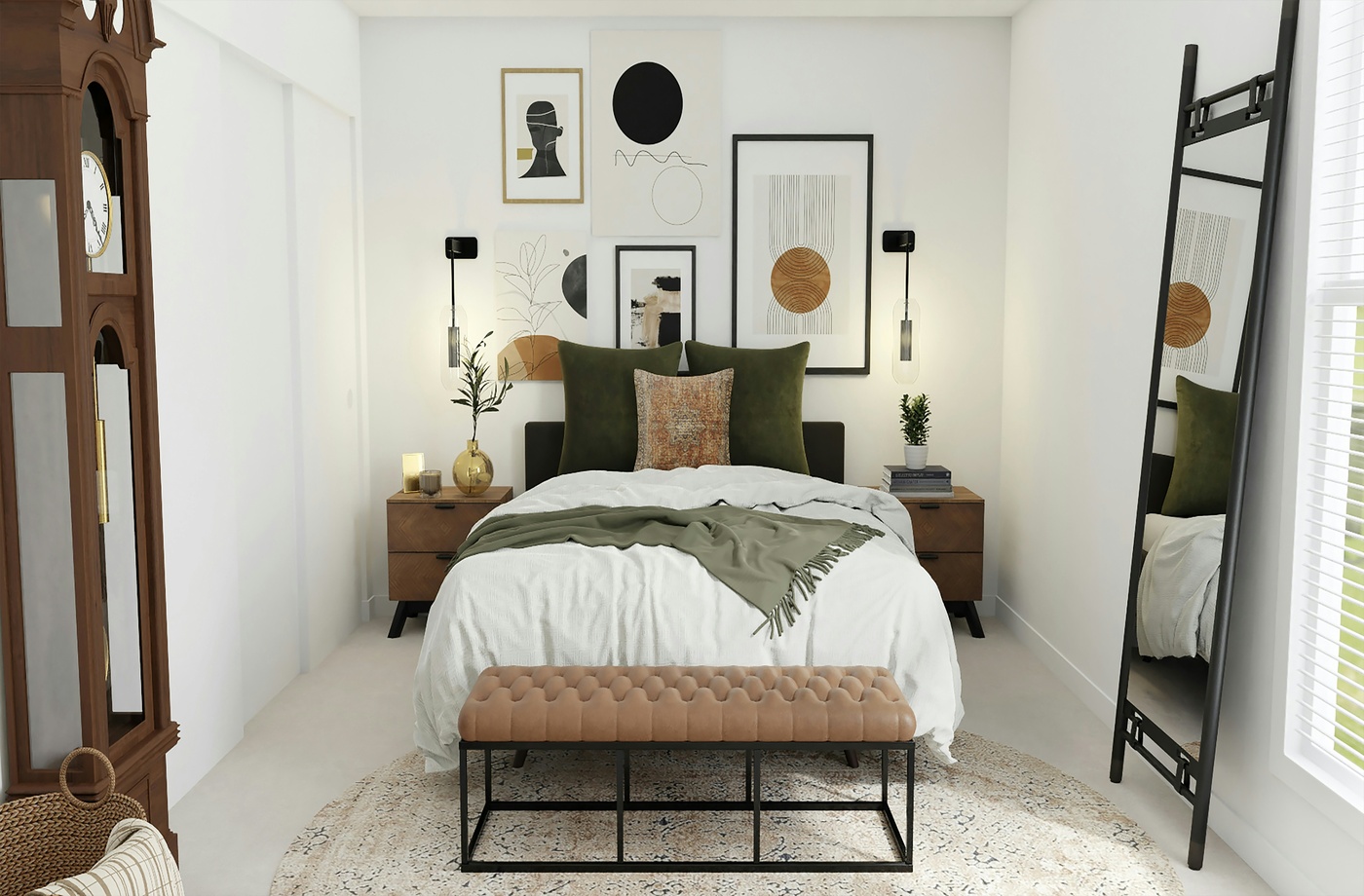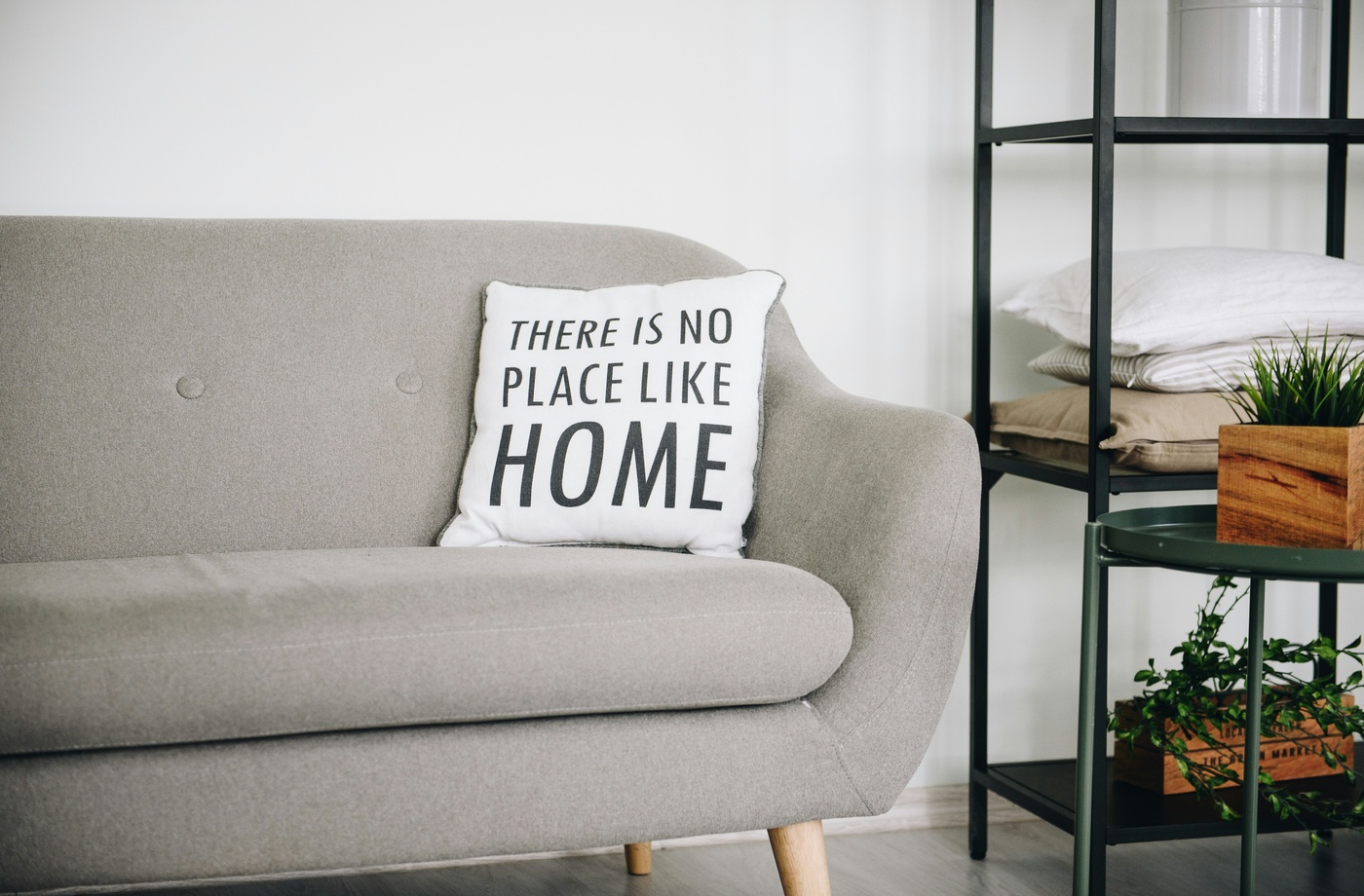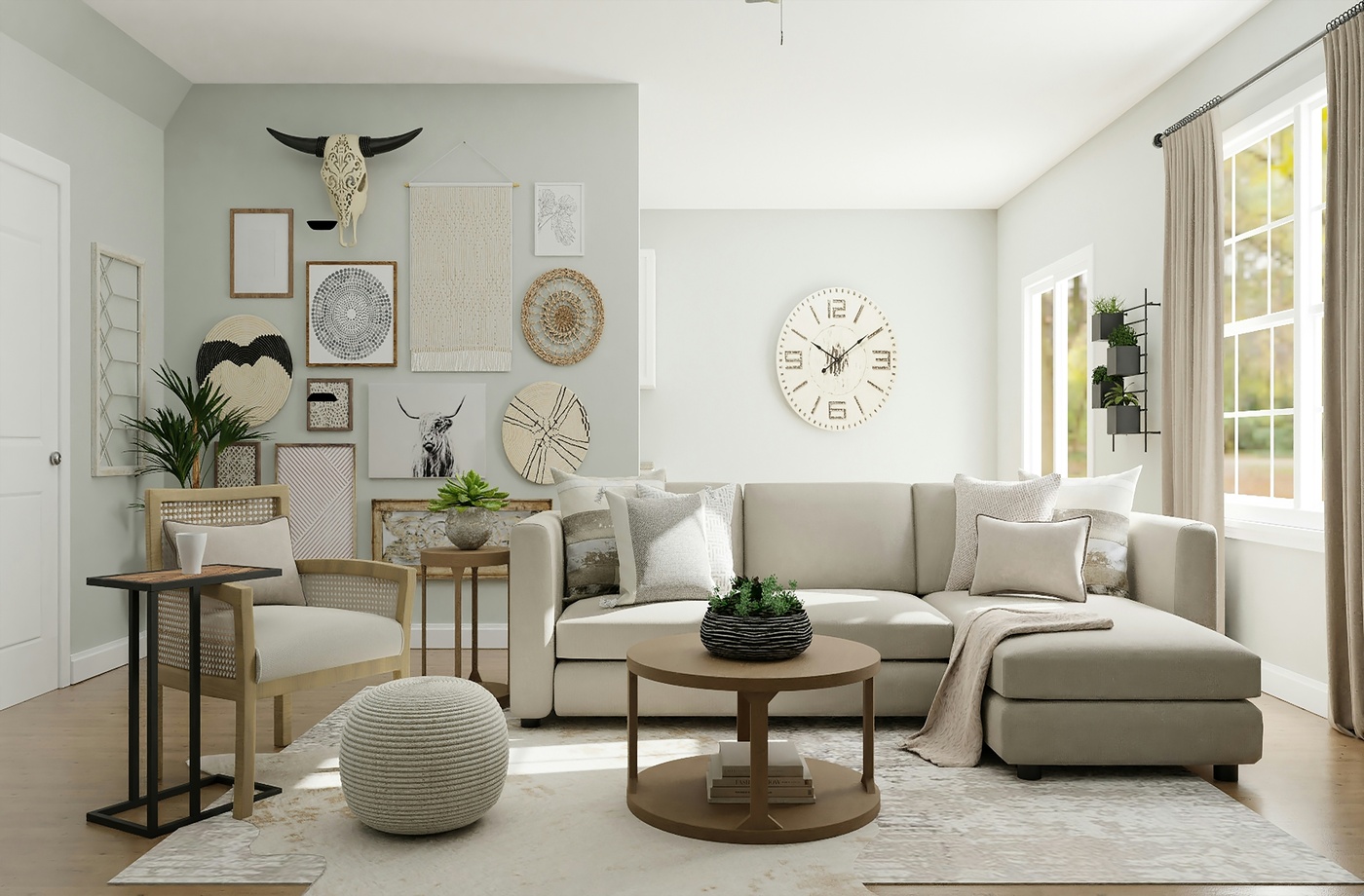
Japandi—the seamless fusion of Japanese minimalism and Scandinavian warmth—is one of the most sought-after aesthetics in modern home design. Defined by clean lines, organic materials, and an emphasis on simplicity, this style evokes calm, balance, and functionality. The good news? You don’t need a premium budget to bring Japandi into your space. With intentional choices and thoughtful styling, it’s entirely possible to achieve Japandi design affordably.
What Is Japandi Style?
Japandi blends the refined elegance of Japanese interiors with the cozy textures and functionality of Scandinavian design. Key elements include:
- Neutral, earthy color palettes
- Natural woods and clean-lined furniture
- Clutter-free surfaces and mindful decor
- Textured accents like linen, stoneware, or woven pieces
- Emphasis on functionality and quality over quantity
For inspiration, explore curated visuals from Dezeen.
- Choose a Grounding Color Palette
Start with muted neutrals—think beige, soft gray, ivory, and warm brown. Add subtle contrast with black or charcoal accents. Paint your walls in matte finishes using low-VOC products like Clare Paint or Backdrop.
- Look for Affordable Minimalist Furniture
You don’t need custom-made pieces to achieve the look. Focus on furniture with clean lines, natural wood finishes, and understated design.
Shop budget-friendly options from IKEA, Article.
- Embrace Natural Materials and Texture
Linen, rattan, cotton, and stone add the organic depth Japandi style thrives on. Use these materials in window treatments, textiles, and accessories. Look for:
- Linen curtains from MagicLinen
- Hand-thrown ceramics on Etsy
- Jute rugs from The Citizenry
- Incorporate Low-Maintenance Greenery
A single bonsai tree or potted snake plant can bring the natural element Japandi favors. Keep arrangements minimal—one or two plants per room is enough.
Browse selections at The Sill or Bloomscape.
- Shop Secondhand or Repurpose What You Have
Japandi’s “less is more” philosophy means you don’t need to buy much. Look for secondhand treasures at Chairish or local thrift stores. Consider refinishing old wooden furniture or decluttering to reveal the beauty of negative space.
- Focus on Functional Decor
Choose pieces that are beautiful and useful—like a sculptural lamp, ceramic bowl, or linen throw. Decorative accents should feel intentional and calming, not busy or excessive.
- Add Soft Lighting for Warmth
Layer ambient lighting through table lamps, rice paper lanterns, or dimmable sconces. The goal is warmth, not brightness.
Explore Japandi-style lighting at HAY or Schoolhouse.
Final Thought: Japandi Is a Mindset, Not a Price Tag
Japandi’s essence is about restraint, craftsmanship, and purposeful living. By choosing pieces slowly, prioritizing quality, and letting go of excess, you can design a Japandi-inspired home that’s as affordable as it is timeless.