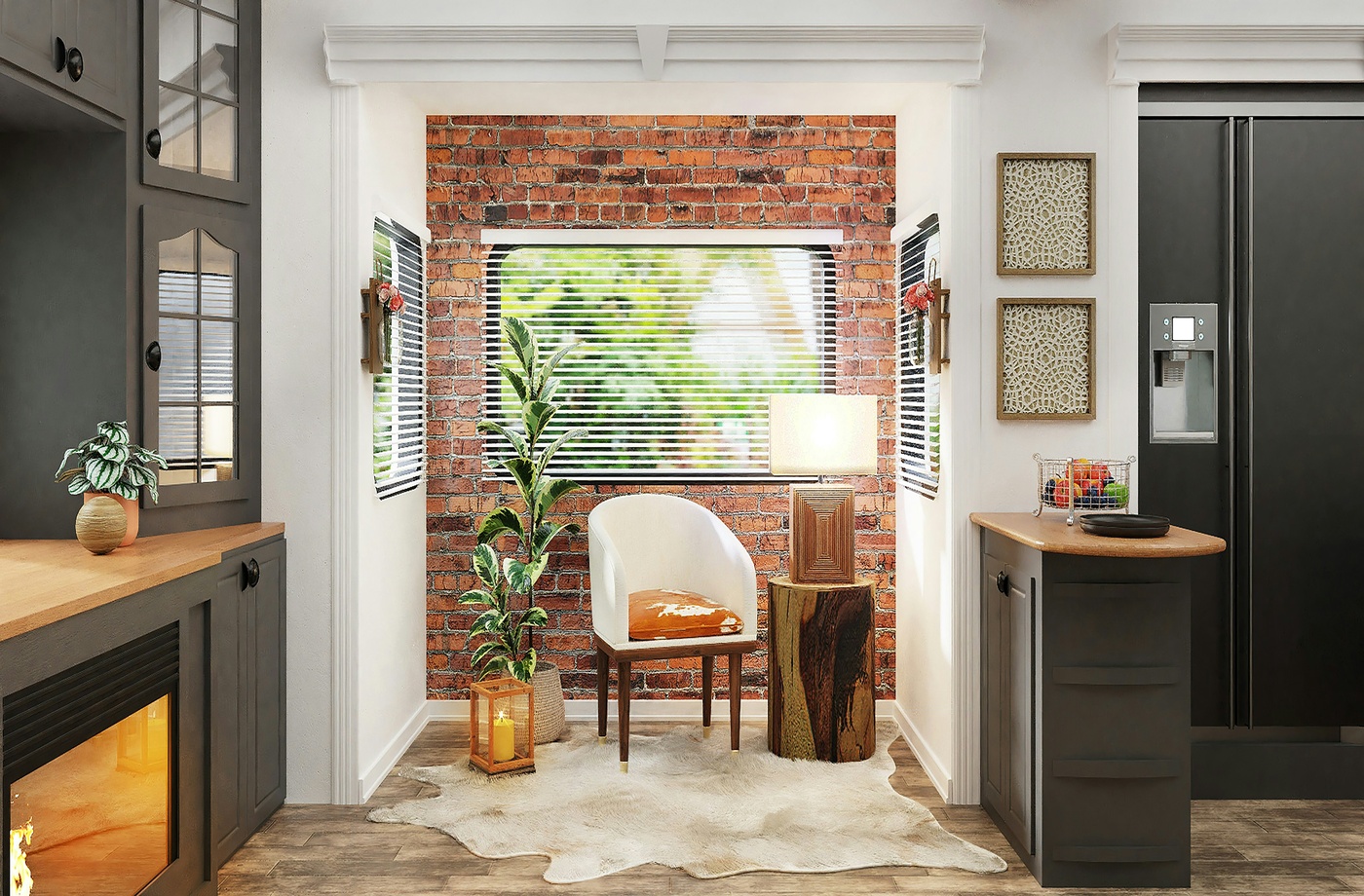
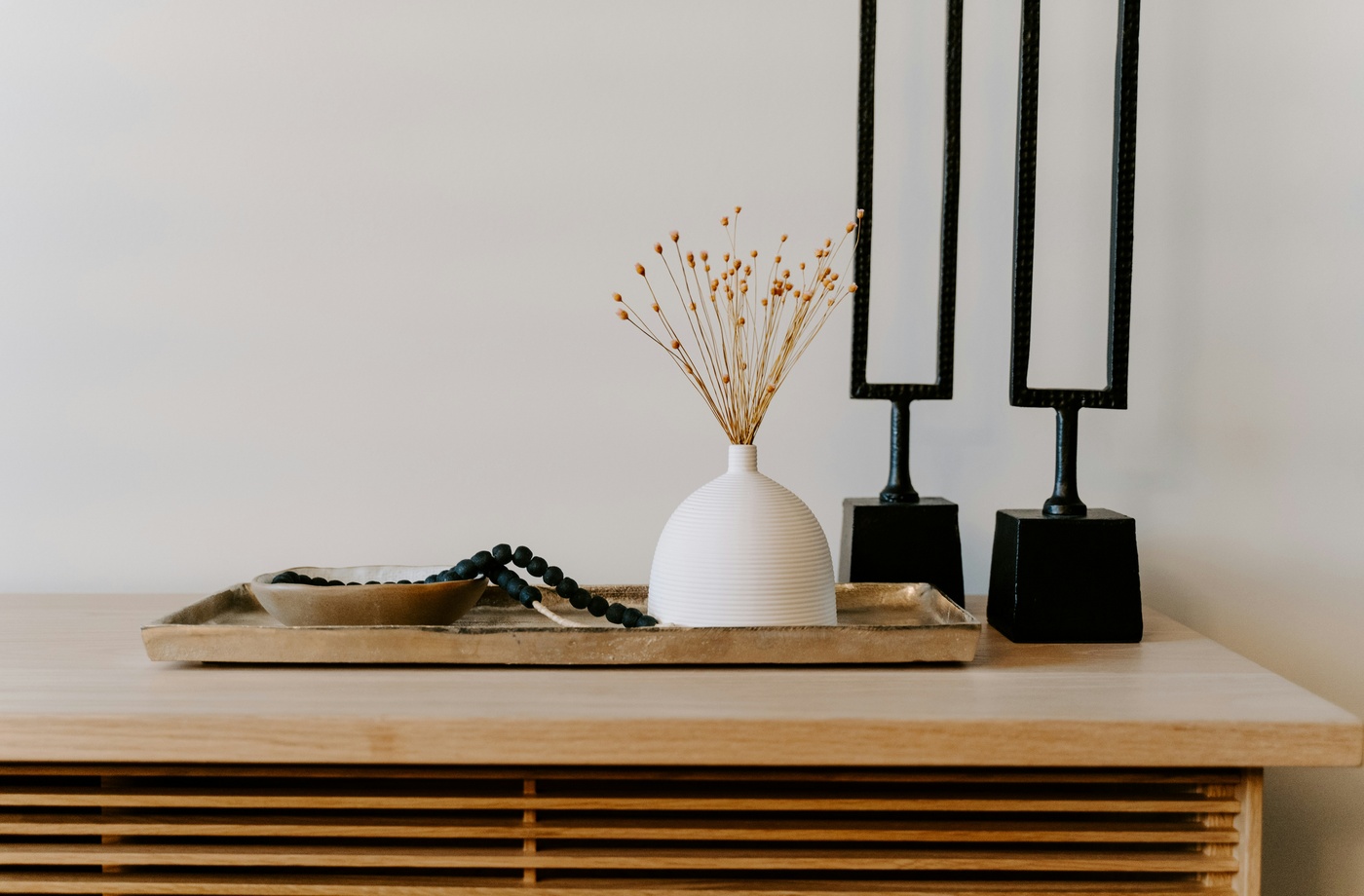
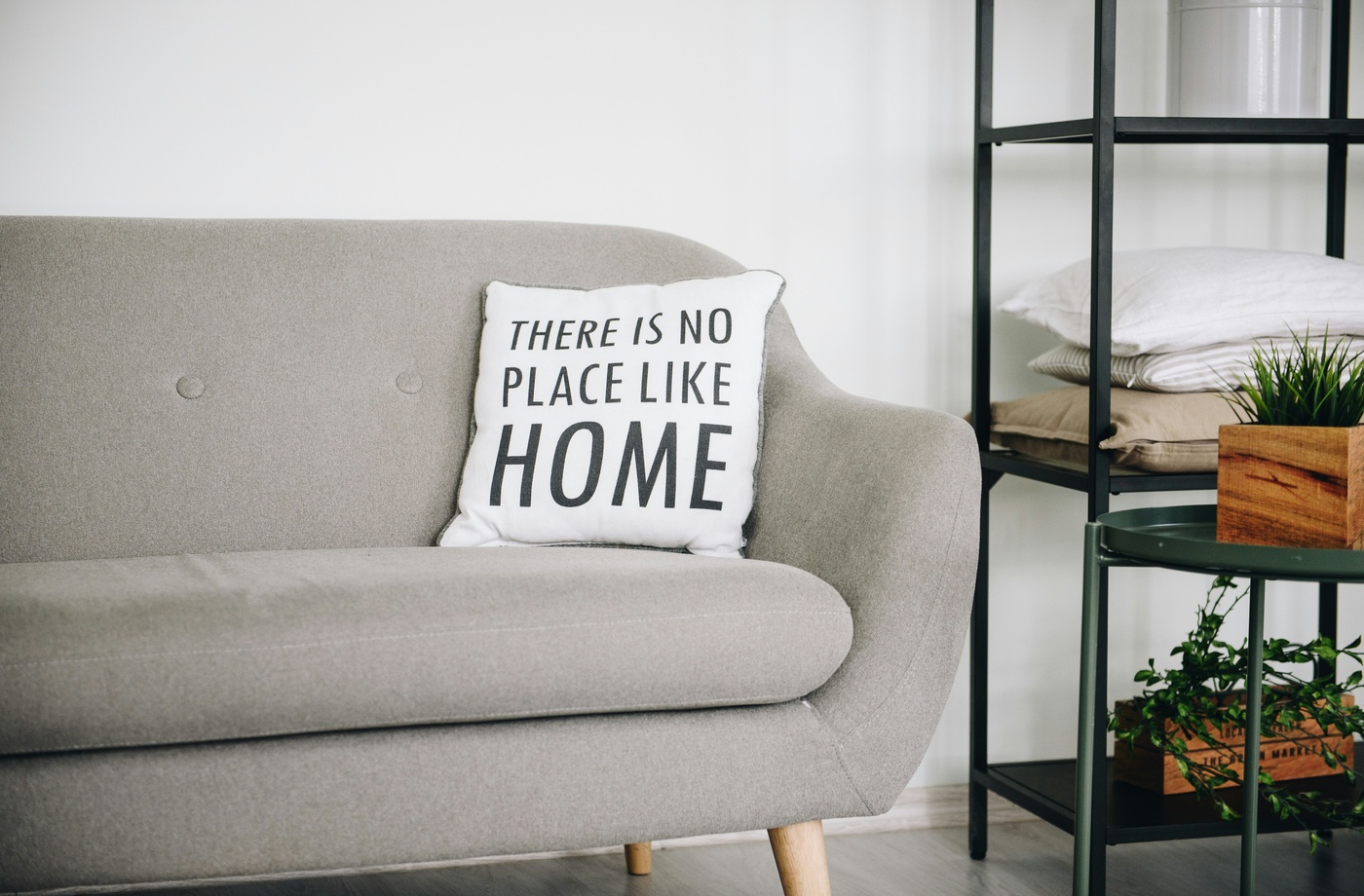
In a world filled with fast trends and endless shopping carts, it’s easy for home spaces to become overstuffed and overstimulating. But when you approach design intentionally, every item serves a purpose—and your home begins to feel like a true sanctuary. Decorating with intention is about creating an environment that reflects your values, supports your lifestyle, and leaves space for clarity and calm. Here’s how to curate a more meaningful home by choosing less, but better.
What Is Intentional Decorating?
Intentional decorating is the opposite of impulse styling. Instead of focusing on what’s trending, it’s about asking key questions:
- Does this object serve a function or bring me joy?
- Is it made ethically or sustainably?
- Does it align with the aesthetic I want to create?
- Is it helping or hurting the overall harmony of the space?
By designing around these questions, you shape a space that supports your mental clarity, not just your Pinterest board.
For a deeper dive into intentional living, explore resources like The Minimalists and KonMari by Marie Kondo.
- Start with a Clean Slate
Remove everything from the space—literally. Strip surfaces, clear furniture, and take stock. This creates visual neutrality and gives you clarity on what’s essential versus what’s just filler.
- Choose a Guiding Color Palette
Select two to three primary tones (neutrals or earth tones often work best for this approach) and use them as the base of your decor decisions. Consistent color palettes create cohesion and calm.
Explore calming tones and swatches at BEHR and Backdrop.
- Prioritize Multi-Functional Pieces
Intentional homes favor quality over quantity. Opt for furniture or decor that serves more than one role—like a storage ottoman, a modular sofa, or nesting tables.
Minimalist, functional furniture is available from Floyd and Burrow.
- Add Decor with Personal Meaning
Instead of mass-produced prints or trendy sculptures, include handmade pottery, family heirlooms, or art you’ve collected from travels. These objects spark memory and authenticity.
Consider exploring curated pieces on Etsy or artisan marketplaces like The Citizenry.
- Create Negative Space on Purpose
Empty space is not wasted space—it’s restful. Leave margins around furniture, avoid overcrowding shelves, and let your eye rest. The result is a space that feels peaceful rather than busy.
- Use Texture Over Pattern
In minimalist, intention-driven spaces, texture becomes a stand-in for decoration. Think linen throws, wool rugs, matte ceramics, and rough-hewn wood. It creates interest without visual noise.
Textural inspiration can be found through brands like MagicLinen, Revival Rugs, and P.F. Candle Co..
- Reevaluate Regularly
Intentional decorating is not a one-time event. Revisit each space seasonally and ask: What’s still serving me? What feels out of place? Let go of anything that no longer fits your home’s evolving needs.
Final Thought: Home Should Reflect Purpose, Not Pressure
You don’t need more to create a beautiful space—you just need the right things. With intention, you design a home that speaks to who you are, not what the internet says you should be.